Is Everett Tap Water Safe To Drink?
Yes! The tap water is safe to drink.
Yes. Tap water in Everett, Washington, is generally safe to drink and is treated and tested by the City of Everett to meet U.S. Environmental Protection Agency and Washington State drinking water standards.

Water quality can still be affected by household plumbing, especially lead-containing fixtures or pipes in older buildings. If the water has been sitting in the pipes for several hours, run the cold tap briefly before drinking or cooking.
Last checked: 2026-08-29
United States is ranked as number 15 globally with a score of 96.2% in the water quality EPI research conducted by Yale University.
Source of Water in Everett, United States
Everett’s tap water comes primarily from the Sultan River Watershed in the central Cascade Mountains. The water is stored in Spada Lake Reservoir, behind Culmback Dam, before being released for treatment.
The City of Everett treats the water at its regional filtration plant in Sultan. After treatment and disinfection, it flows through the city’s distribution system to homes and businesses in Everett and nearby communities.
Everett Drinking Fountains
Public drinking fountains in Everett, Washington, are generally safe to use when they are connected to the municipal water system and properly maintained. The city’s drinking water is treated and tested to meet Washington State and federal drinking water standards.
Do not use a fountain marked out of service, visibly dirty, damaged, or producing discolored water. Let the water run briefly until cold and clear, and avoid drinking from fountains after flooding or other water service advisories.
Drinking Water Map
Here is a map showing all the locations of drinking water spots in Everett. You can click on each water drop to open the spot directly in Google Maps for directions. For easy access on the go, download our iOS app to find water fountains nearby.
Nearby Places
 (99 km)
About the Author
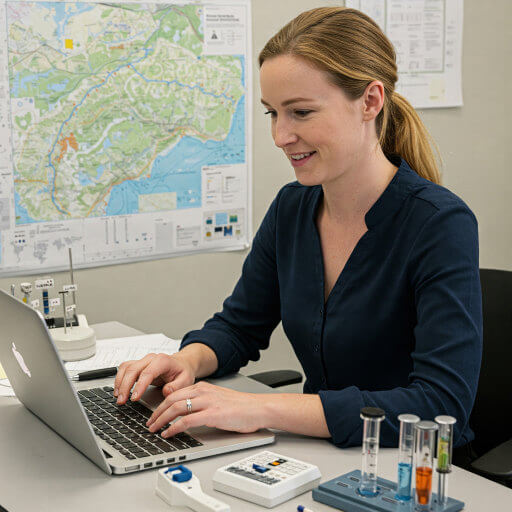
Hi, I'm Emily Hartman, a researcher and water quality specialist with a background in public health.
I've spent the last few years studying how everyday water systems impact our health, and I'm passionate about making that information clear and useful for everyone.
Safe, clean tap water isn't just my job, it's something I truly care about.